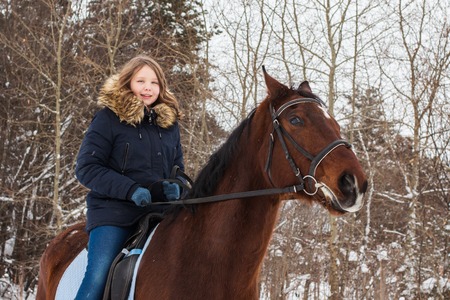

Fortunately, preparing for winter doesn’t have to be complicated. From adjusting feeding routines to maintaining a safe pasture and providing reliable shelter, a little planning can go a long way toward keeping your horses healthy and comfortable.
Here are some important winter horse care tips to keep in mind.
Adjust Your Horse’s Feeding Routine
As temperatures drop, horses may need additional calories to maintain their body temperature, especially during extended periods of cold weather. One of the best ways to provide that extra energy is through forage, such as hay.
Digesting hay naturally generates heat, helping horses stay warm from the inside out. However, not every horse needs a significant increase in feed. Factors such as age, body condition, activity level, and access to shelter all influence nutritional requirements.
Monitor your horse’s weight and body condition throughout winter, and consult your veterinarian if you’re unsure whether dietary adjustments are necessary.
Make Sure Fresh Water Is Always Available
Keeping horses hydrated is just as important during winter as it is during summer. Unfortunately, colder temperatures can discourage some horses from drinking enough water, particularly when their water source becomes too cold or freezes.
According to the University of Minnesota Extension, providing water between 45 and 65 degrees Fahrenheit can encourage horses to drink during colder weather.
Check water troughs and buckets regularly, remove ice when necessary, and consider using properly installed heated waterers during freezing conditions. Adequate hydration also helps reduce the risk of digestive problems, including impaction colic.
Provide Adequate Shelter From the Elements
While horses naturally grow thicker coats to help them tolerate cold temperatures, they still need access to shelter from wind, rain, and other harsh weather conditions.
A portable run-in shed can be a practical solution for horses that spend much of their time in the pasture. These three-sided structures provide protection from the elements while allowing horses to move freely between the shelter and surrounding pasture.
For horses kept indoors, make sure the barn remains dry and properly ventilated. Good airflow helps prevent moisture buildup and maintain healthy air quality, even when outdoor temperatures drop.
It’s also a good idea to inspect your shelter before winter arrives. Check out our guide to winterizing your horse barn for additional maintenance tips.
Know When Your Horse Needs a Blanket
Not every horse needs a blanket during winter. Healthy horses with thick winter coats and access to adequate shelter can often stay comfortable without one.
However, older horses, horses with clipped coats, and those with certain health conditions may benefit from additional protection. Horses that are not yet accustomed to colder temperatures may also need extra attention.
Blanketing decisions should depend on your horse’s individual needs, coat condition, and weather exposure rather than temperature alone.
If you use a blanket, check it regularly to ensure it fits properly, stays dry, and isn’t causing rubbing or irritation. For more specific guidance, read our winter care tips for senior horses.
Keep Pastures and Hooves in Good Condition
Winter weather can create muddy, slippery conditions around barns, gates, feeding areas, and water troughs. These areas often experience heavy traffic, making them especially vulnerable to standing water and damaged ground.
Regularly inspect your pasture for drainage problems, damaged fencing, and areas where horses could slip or become injured. Improving drainage and limiting access to excessively muddy areas can help keep your property safer.
Don’t overlook hoof care, either. Mud, moisture, and uneven ground can contribute to hoof problems, so continue regular cleaning and farrier appointments throughout the winter months.
Maintain Grooming and Exercise Routines
Cold weather doesn’t mean your horse’s normal care routine should stop. Regular grooming helps remove dirt and mud while giving you an opportunity to check for injuries, skin irritation, or changes in body condition.
Pay particular attention to your horse’s coat after exercise. If your horse becomes sweaty, allow the coat to dry before prolonged exposure to cold temperatures.
Movement is also important throughout winter. When conditions are safe, turnout, walking, and light exercise can help horses maintain their fitness and mobility. Just be mindful of slippery ground and adjust activities according to the weather.
Keep Your Horses Comfortable All Winter Long
Keeping horses comfortable during winter starts with a combination of proper nutrition, hydration, grooming, exercise, and dependable shelter. By making a few seasonal adjustments, you can help your horses stay healthy and comfortable even when the weather becomes unpredictable.
At Deer Creek Structures, we understand the importance of providing horses with a safe, comfortable place to escape harsh weather. Our portable horse barns and run-in sheds offer practical shelter solutions for properties of all sizes. Browse our available structures online to find the right fit for your horses, or contact us at (254) 546-2276 to discuss your needs.