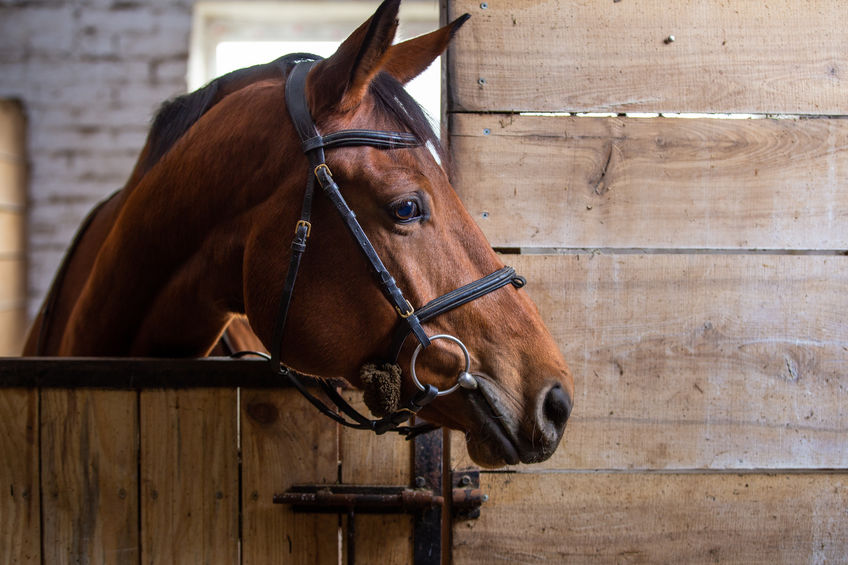

Horses are naturally equipped to handle colder temperatures, and in many situations, a well-maintained barn with proper ventilation and shelter is more important than adding heat. So, do you actually need to heat your horse barn during winter? Here’s what you should know before turning up the temperature.
Most Horse Barns Don’t Need Heating
Unlike humans, horses can tolerate relatively cold temperatures, especially when they have developed a thick winter coat and have access to adequate food, water, and shelter.
In fact, heating an entire barn can sometimes create more problems than it solves. When warm, moist air becomes trapped inside a poorly ventilated barn, condensation can develop on walls, ceilings, and other surfaces. Over time, excess moisture can contribute to mold growth, structural damage, and poor air quality.
According to Penn State Extension, maintaining proper airflow is generally more important than keeping a horse barn warm throughout the winter.
Proper Insulation and Ventilation Make a Difference
Instead of focusing on heating, horse owners should prioritize keeping their barns dry, well-ventilated, and protected from harsh weather.
Insulation can help reduce temperature fluctuations and limit condensation when combined with proper ventilation, which allows excess moisture and stale air to escape. However, ventilation should not create strong, direct drafts across horses, particularly when they are resting.
Regular maintenance is also important. Inspect doors, windows, roofing, and other structural components for damage that could allow rain or snow inside.
For additional seasonal maintenance advice, check out our guide to winterizing your horse barn.
Some Horses May Need Extra Protection
Although most healthy adult horses can tolerate cold weather, certain animals may need additional attention when temperatures drop.
Older horses, young foals, horses with health conditions, and those with clipped coats may have more difficulty maintaining their body temperature. These horses may benefit from appropriate blanketing, additional shelter, or other accommodations recommended by a veterinarian.
Nutrition also plays an important role. Horses may require additional forage during particularly cold weather because digesting hay helps generate body heat.
The University of Minnesota Extension’s winter horse care guide offers additional information about shelter, feeding, and keeping horses comfortable during colder months.
What If You Decide to Heat Your Horse Barn?
In some situations, supplemental heating may be necessary, particularly for certain medical needs or areas where freezing temperatures could damage equipment and plumbing.
Rather than heating the entire barn, some owners choose to heat designated tack rooms, grooming areas, or other spaces that require temperature control.
If you decide to install heating equipment, safety should always come first. Barns contain combustible materials such as hay, bedding, and dust, making improper heating equipment a serious fire hazard.
Any heating system should be professionally installed, appropriate for agricultural buildings, and maintained according to safety requirements. Proper ventilation must also be maintained, even when outdoor temperatures are particularly low.
Keep Your Horses Comfortable Throughout Winter
Ultimately, most horses don’t need a heated barn to stay comfortable during winter. What matters most is providing a dry, safe environment with adequate shelter, fresh air, and protection from wind and precipitation.
Choosing the right structure can make seasonal horse care easier. At Deer Creek Structures, we offer portable horse barns with customizable features to accommodate your horses and property.
Explore our available barn options or call us at (254) 546-2276 to discuss the best shelter for your horses and property.