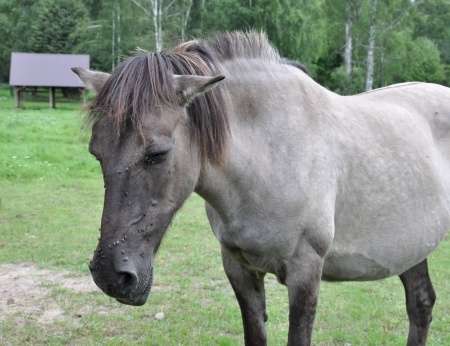

Every horse has its own personality and habits, so one of the most important skills an owner can develop is recognizing what is normal behavior and what is not. Even small changes in attitude, posture, or routine can be your horse’s way of signaling that something is wrong.
Changes in Behavior
One of the earliest signs that a horse may be in pain is a change in behavior. Horses that are normally friendly or energetic may suddenly seem withdrawn, irritable, or uninterested in their surroundings. They might separate themselves from other horses or act unusually defensive during grooming or handling.
Behavioral changes can also appear when riding. A horse that begins to refuse jumps, buck, or resist tasks it previously handled easily may be experiencing discomfort rather than simply being difficult. Sudden resistance or unusual behavior under saddle can often signal that something hurts.
Physical Signs to Watch For
Pain in horses often appears through physical symptoms or body language. Some of the most common warning signs include:
- Lameness or uneven movement
- Shifting weight from one leg to another
- Unusual posture or stiffness
- Muscle tremors
- Abnormal sweating without exertion
These signs can indicate a range of issues, from joint problems to injury or illness. Paying attention to your horse’s movement and posture is one of the most reliable ways to detect discomfort early.
Changes in Eating or Routine
A horse that is in pain may also change its normal habits. Loss of appetite, difficulty eating, or taking longer than usual to finish feed can signal an underlying issue. In some cases, horses experiencing discomfort may become lethargic or lie down more often than usual.
Because horses thrive on routine, disruptions to their daily patterns should always be taken seriously. A normally active horse that suddenly becomes quiet or uninterested in food may need veterinary attention.
Facial Expressions and Body Language
Many horse owners are surprised to learn that horses also show pain through facial expressions. Tension around the eyes, flattened nostrils, or a tight muzzle can all be subtle indicators of discomfort. A horse may also grind its teeth, pin its ears back, or repeatedly look toward a painful area of its body.
These signals can be easy to miss if you are not watching closely. Over time, learning to read your horse’s body language will help you notice problems much sooner.
Trust Your Instincts
No one knows your horse better than you do. If something about your horse’s behavior or movement seems unusual, it is always worth paying attention. When in doubt, contacting your veterinarian is the safest course of action. Early diagnosis can prevent small problems from becoming serious health issues.
Regular observation, proper care, and a safe environment all contribute to keeping horses comfortable and healthy.
Provide a Safe and Comfortable Environment
A horse that feels secure and protected is better able to rest and recover when something is wrong. Quality shelter, good airflow, and adequate space all contribute to your horse’s overall comfort and well-being.
At Deer Creek Structures, we build custom horse barns and run-in sheds designed to support the health and daily care of your horses. Whether you need a prefab structure or a fully customized barn, our team can help you create a space that keeps your horses safe and comfortable year-round.
Visit us online to explore available horse barn options and call (254)546-2276 to start planning the right structure for your property!