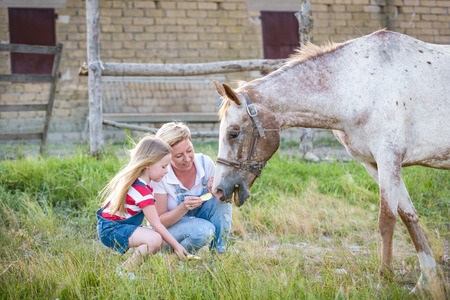

Before offering anything new, it is always best to keep your horse’s overall diet, health history, and any metabolic concerns in mind. When in doubt, ask your veterinarian before adding new treats to their routine.
Safe Treats Horses Can Enjoy
Many classic horse treats are safe when served in reasonable portions. Apples and carrots are popular for a reason, but they should be sliced into manageable pieces to reduce the risk of choking. Horses can also enjoy treats like bananas, watermelon, strawberries, celery, pumpkin, and squash in moderation.
According to Kentucky Equine Research, several fruits and vegetables, including grapes, bananas, strawberries, melons, celery, pumpkin, and snow peas, can be safe options for horses when offered appropriately. These treats should still be considered extras, not a major part of the diet.
Treats to Give in Moderation
Even safe treats can become a problem if your horse gets too many. Fruits are naturally higher in sugar, which may not be ideal for horses with insulin resistance, equine metabolic syndrome, PPID, or a history of laminitis. Sugary treats like peppermints, sugar cubes, molasses-based snacks, and baked goods should be limited or avoided for horses with these conditions.
A good rule of thumb is to keep treats small and occasional. Treats should not replace forage, balanced feed, or fresh water.
Foods Horses Should Avoid
Some foods should never be given to horses. Avoid feeding chocolate, caffeine, avocado, onions, garlic, potatoes, tomatoes, rhubarb, lawn clippings, and anything moldy or spoiled. Cruciferous vegetables like broccoli, cauliflower, cabbage, and Brussels sprouts can also cause digestive upset and are best left out of your horse’s treat bucket.
It is also important to watch for toxic plants and trees around pastures. Cherry, peach, and plum trees can be especially dangerous, particularly when wilted leaves are accessible.
Make Treat Time Safe
Treats should always be fed safely. Cut firm fruits and vegetables into small pieces, feed with an open palm, and avoid hand-feeding if your horse becomes pushy or mouthy. You can also place treats in a feed pan or use them during training to reinforce calm behavior.
Proper storage matters too. Keep treats in sealed containers to prevent pests, mold, and contamination. If something smells off, looks spoiled, or has been sitting too long, toss it.
Support Healthy Routines with the Right Setup
Healthy feeding habits start with a safe and organized environment. A well-designed barn makes it easier to store feed, protect treats from pests, and maintain a clean routine for your horses.
At Deer Creek Structures, we build custom horse barns and run-in sheds designed to support practical daily care. From feed storage and tack areas to shelter layouts that keep horses comfortable year-round, our team can help you create a space that works for your property and your routine. Call us at (254)546-2276 to learn more about our available barn options and start planning a structure built around your horses’ needs.