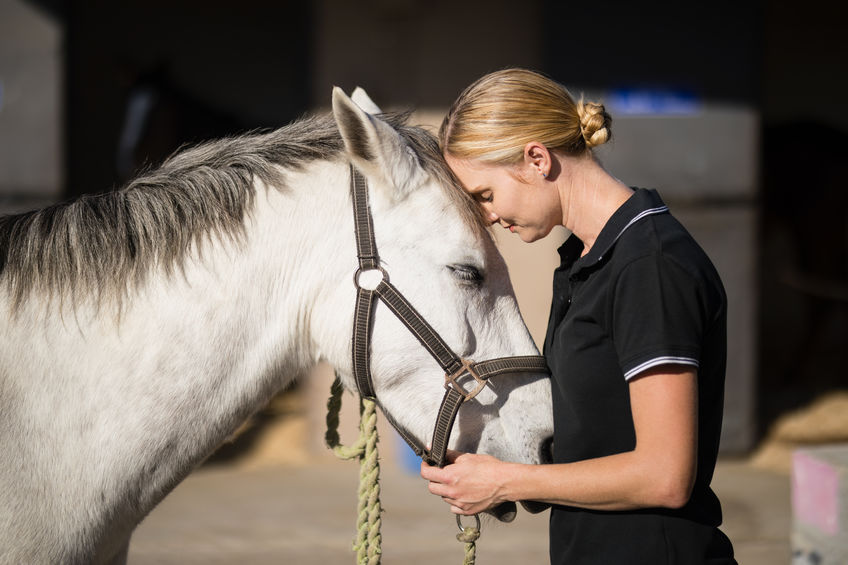

Understanding what causes anxiety and knowing how to respond can help keep both you and your horse safe while strengthening your bond.
Identify the Source of the Stress
The first step in helping an anxious horse is figuring out what is causing the behavior. Horses often become nervous when faced with unfamiliar situations, sudden changes, loud noises, or new environments. Sometimes anxiety can even be linked to discomfort, pain, or an underlying health issue.
Pay attention to when your horse seems most stressed. Are they anxious during trailering? Nervous around new horses? Uncomfortable during storms? Identifying patterns can help you address the root cause rather than just the symptoms.
Stay Calm and Consistent
Horses are highly sensitive to human emotions and body language. If you become frustrated, tense, or nervous, your horse may mirror those feelings.
When working with an anxious horse, remain calm, confident, and patient. Speak in a steady voice and avoid sudden movements. Consistency is equally important. Maintaining regular feeding, turnout, and exercise schedules helps create a sense of stability that many horses find reassuring.
Give Them Time to Adjust
Many horses need time to become comfortable with new experiences. If your horse is anxious about a particular object, environment, or activity, introduce it gradually.
For example, if your horse is nervous about entering a trailer, start by allowing them to investigate it at their own pace rather than forcing the issue. Small, positive experiences can build confidence over time and reduce fear-based reactions.
Provide Plenty of Exercise
A horse with excess energy may be more prone to anxious behavior. Regular exercise helps release physical energy while providing mental stimulation.
Daily turnout, riding, groundwork, or even simple hand-walking can help reduce stress levels. Exercise also promotes overall health and gives horses an outlet for natural behaviors.
Create a Comfortable Environment
Your horse’s surroundings can play a major role in their stress levels. Horses tend to feel more secure when they have adequate space, fresh air, consistent routines, and opportunities for social interaction.
Proper shelter is especially important during stressful weather conditions. Strong winds, heavy rain, or extreme temperatures can make some horses uneasy. Providing a safe, comfortable place to retreat can help them feel more secure.
Use Positive Reinforcement
Rewarding calm behavior can encourage your horse to respond more confidently in stressful situations. Praise, gentle scratches, or occasional treats can reinforce positive experiences and help build trust.
Avoid punishing fear-based reactions. Instead, focus on rewarding the behaviors you want to see while giving your horse time to learn and adjust.
Support Your Horse’s Confidence
Helping an anxious horse is often a gradual process. Patience, consistency, and a supportive environment can go a long way toward reducing stress and building confidence.
At Deer Creek Structures, we understand how important a safe, comfortable environment is to your horse’s well-being. Our custom horse barns and run-in sheds are designed to provide reliable shelter, proper ventilation, and protection from the elements, helping horses feel secure year-round. Visit us online to explore our custom barn options and create a space that supports both your horse’s comfort and peace of mind.