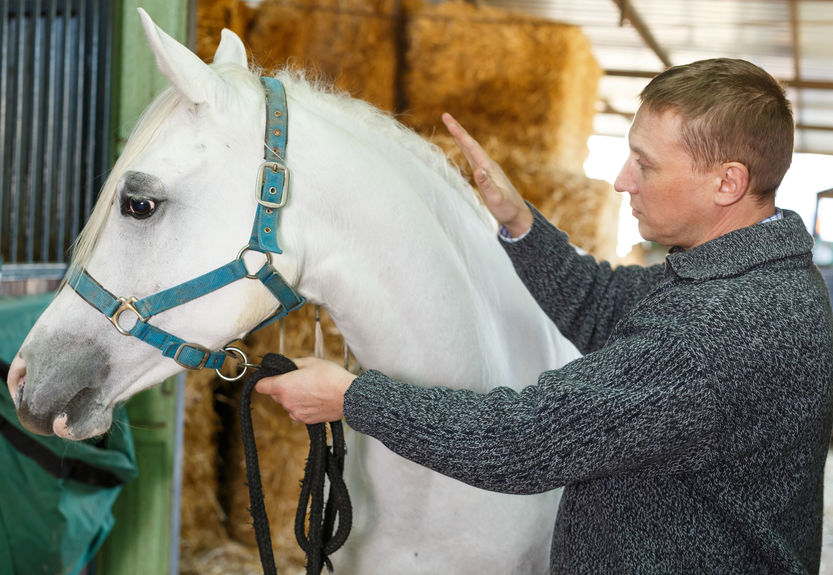

Give Them Time to Adjust
When you first bring your horse to a new barn, don’t expect immediate comfort or calm behavior. Horses often take a few days to adjust to new surroundings, sounds, and routines. Give your horse plenty of time to explore their new space at their own pace. Avoid pushing them into situations they clearly find frightening. Let them see and sniff new areas before moving on.
Consistency goes a long way here. Maintain the same feeding, grooming, and turnout schedule they had before the move. Routine is grounding, especially when everything else is unfamiliar.
Keep Things Familiar
Bringing familiar items from their previous environment helps create a sense of comfort and continuity. Pack their favorite blanket, grooming tools, feed buckets, and even their old bedding if possible. Familiar smells are reassuring and can help reduce stress dramatically.
Position familiar items in the new stall the same way they were before. For example, if they were used to having their water bucket on the left and hay on the right, keep that setup consistent. Little details like this help horses adapt faster.
Introduce Turnout Gradually
New barns often come with new turnout areas. Instead of throwing every horse into a new pasture all at once, consider a gradual introduction. Allow your horse to first explore a small, enclosed space, like a paddock or small run, before moving them to a larger pasture. This gives them a sense of security and helps prevent panic or risky behavior.
If other horses are in adjacent pastures, give your horse time to observe social dynamics from a safe distance. This can help them build confidence and reduce stress when it’s time to integrate into larger groups.
Watch Behavior and Health Closely
An environmental change can affect digestion, appetite, and mood. In the first week at a new barn, monitor your horse’s eating habits, manure quality, and general disposition. A strong appetite and regular droppings are good signs that they’re adjusting well.
If your horse shows signs of prolonged anxiety, depression, or physical discomfort, consult your veterinarian. Some horses may benefit from extra support during transitions, whether through diet changes, supplements, or a slower integration process.
Build a Supportive Team
Part of helping a horse feel at ease in a new barn environment is surrounding them with a supportive human team. Introduce your horse to barn staff or handlers, and make sure everyone follows the same routines and cues. Consistency in approach from every caregiver prevents mixed messages that could confuse your horse.
Regular, calm grooming and one-on-one time with people they trust can also help reduce stress and strengthen your bond during the adjustment period.
Help Your Horse Feel at Home
A horse that feels safe and secure in their environment is a happier, healthier horse. Whether you’re transitioning them into a new barn for the first time or moving to a custom solution that better fits your needs, setting them up for success matters.
Is your horse’s home due for an upgrade? Check out the pre-built portable horse barns we have available at Deer Creek Structures. Our structures are built with high-quality materials, expert craftsmanship, and your horses’ needs and comfort in mind.
Browse our prefab horse shelter options online or contact us today about a custom-designed structure!