
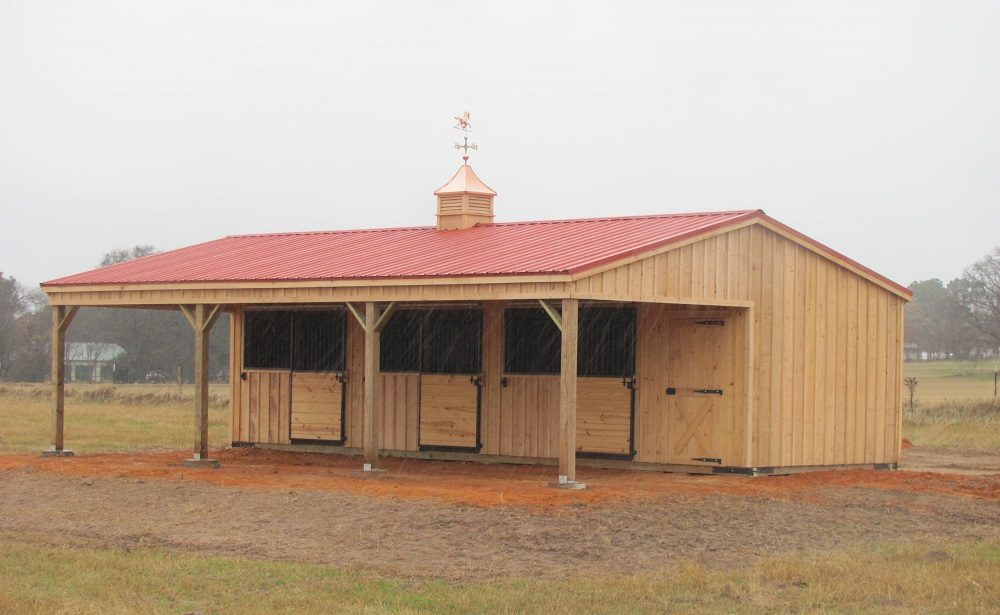
 Building a horse barn is an exciting step for any property owner, but it also requires careful planning. A barn that looks great on paper can quickly become frustrating if the layout or features do not support your daily routine. From poor airflow to cramped aisles, small design oversights can turn into long-term problems. Whether you are planning your first barn or upgrading an older structure, understanding these common mistakes can help you build a space that works better for you and your horses.
Poor Ventilation
One of the most common barn design issues is inadequate airflow. Horses are sensitive to dust, ammonia, and moisture buildup, and poor ventilation can lead to respiratory problems and an uncomfortable environment. A barn that traps heat in the summer or moisture in the winter can quickly become unhealthy for both horses and people.
To avoid this, plan for natural ventilation whenever possible. Windows, ridge vents, high ceilings, and open aisle designs all help improve airflow. Positioning doors at opposite ends of the barn can also create cross-ventilation, helping keep the interior cooler and fresher throughout the year.
Narrow Aisles and Tight Spaces
Another frequent mistake is designing aisles or stall entrances that are too narrow. Tight spaces make it difficult to move horses safely and can slow down daily chores. It also becomes harder to maneuver wheelbarrows, hay carts, and equipment, leading to unnecessary strain and frustration.
When planning your barn, allow for wide aisles and roomy stall doors. A comfortable amount of space makes it easier to lead horses, handle feed, and complete cleaning tasks without feeling cramped. This simple design decision can make your barn much more functional day after day.
Lack of Storage Areas
Storage is often overlooked in the early planning stages. Without a dedicated tack room or feed area, equipment tends to pile up in the aisles or stalls. This creates clutter, reduces efficiency, and increases the risk of accidents.
Including proper storage from the beginning helps keep your barn organized. Plan areas for storing tack, grain, bedding, and tools. Having everything in its place not only saves time but also creates a safer and more pleasant environment for both horses and handlers.
Poor Site Placement and Drainage
Where you build your barn matters just as much as how it is designed. Placing a barn in a low or poorly drained area can lead to muddy walkways, standing water, and structural wear over time. Constant moisture around the foundation can also create unsafe footing for both horses and people.
Choose a slightly elevated site whenever possible. Proper grading, gravel walkways, and drainage solutions can help direct water away from the barn. These small site planning decisions can prevent long-term maintenance issues and keep your barn area cleaner and safer.
Plan for Efficiency and Comfort
A well-designed barn should make daily chores easier, not more complicated. Paying attention to ventilation, layout, storage, and site placement can help you avoid many common mistakes. Taking the time to plan these details now can save you money, effort, and stress in the future.
Build a Barn That Works for Your Property
At Deer Creek Structures, we design and build horse barns, run-in sheds, and other portable structures made to handle Texas weather and meet the daily demands of your property. Whether you are looking for a fully custom barn or a ready-to-deliver prefab model, our team can help you find the right fit.
We offer a variety of customization options, including interior finishes, siding styles, roofing choices, aisle widths, ceiling designs, and more, providing free delivery within our service area to make the process simple and convenient.
Visit us online to explore available models, view customization options, and start planning a barn that works for your horses and your property.